October 21, 2026
The automotive ecosystem is undergoing a dramatic shift, driven by a growing desire among vehicle owners to personalize, tune, and optimize their rides. While cosmetic modifications like custom paint jobs, vinyl wraps, and aesthetic body kits were once the primary focus of automobile enthusiasts, the market has shifted noticeably toward mechanical and technological enhancements. Today, owners are far more interested in unlocking hidden horsepower, refining handling dynamics, and improving overall driving engagement. As a result, performance upgrades have taken center stage, fueling record growth across the global automotive aftermarket industry. Modern manufacturing advances have made high-end components far more accessible to average enthusiasts. Precision engineering allows everyday drivers to achieve professional-grade tuning results in their own home garages. Innovative digital tools allow builders to simulate component stress before installation. Modular engine designs make upgrading individual power components simpler and cleaner than ever before.
Understanding the Shift Toward Personal Automotive Customization
The modern car enthusiast views a vehicle as much more than a simple mode of transportation; it is an extension of personal identity and lifestyle. Drivers want machines that reflect their unique driving preferences, whether that means a sharp track weapon, a capable off-road rig, or an ultra-responsive daily commuter. According to SEMA’s Future Trends Report, over 50 percent of Gen Z vehicle owners express interest in customizing their vehicles. This enthusiasm from younger generations ensures long-term demand for specialized vehicle components and digital tuning tools. The desire to stand out from stock factory models encourages vehicle owners to invest heavily in parts that deliver tangible improvements in speed, control, and efficiency. Furthermore, online enthusiast communities continue to accelerate interest in custom car builds nationwide. Customization projects frequently foster lifelong connections among like-minded automotive enthusiasts across the globe. Sharing build progress on digital platforms inspires a new generation of hobbyists to pursue automotive mechanics.
Unlocking Power Through Advanced ECU Tuning and Software Modifications
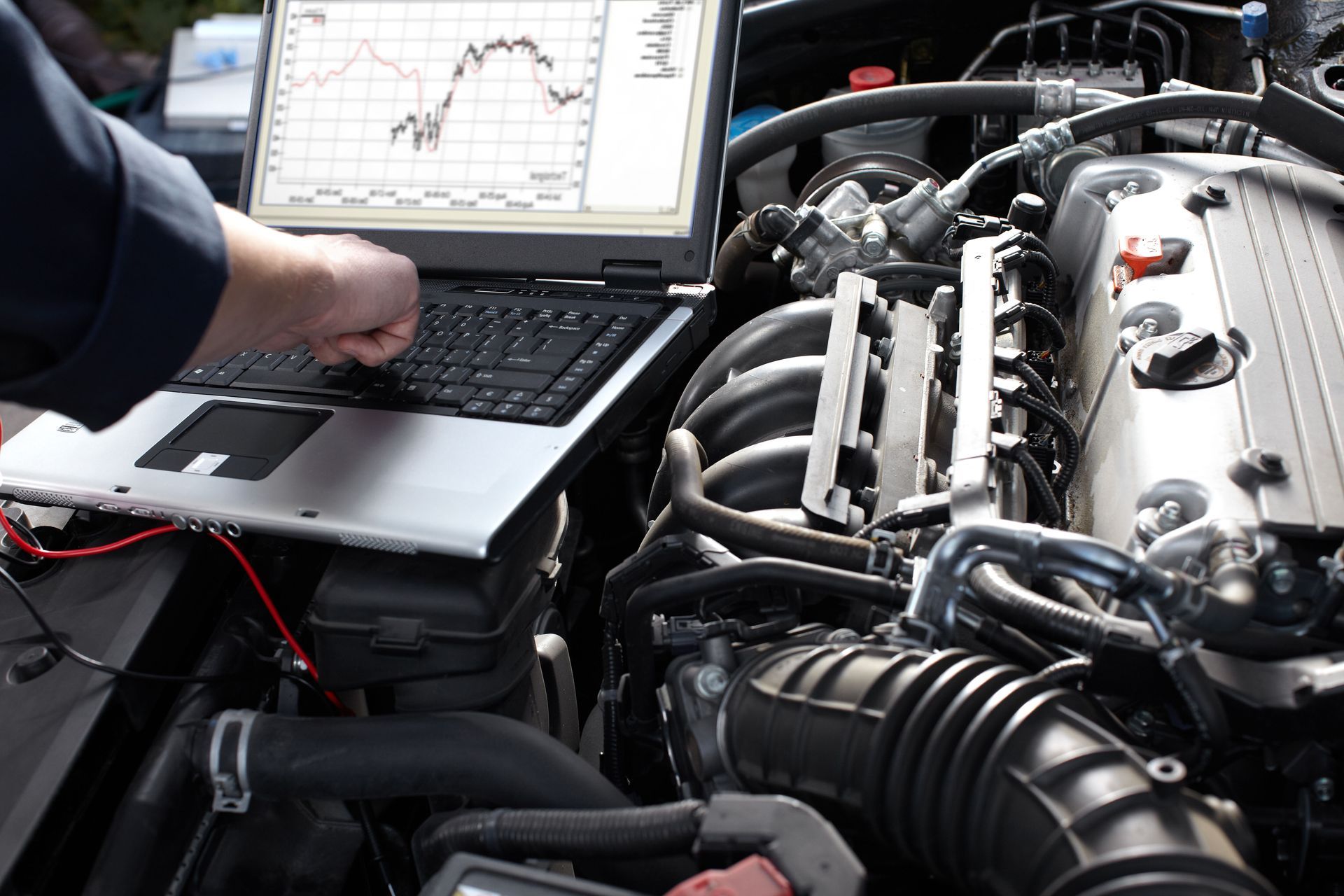
One of the primary catalysts behind the surging market demand is the digitalization of modern engine platforms. Factory engines are often intentionally detuned or calibrated conservatively to accommodate broad global regulations, varying fuel qualities, and diverse climate conditions. Electronic control unit recalibrations, commonly known as ECU flashes or engine tunes, allow tuners to adjust air-fuel ratios, boost pressures, and ignition timing. Installing these digital performance upgrades unleashes latent power already built into turbocharged and supercharged engines without requiring extensive mechanical tear-downs. The ability to gain substantial horsepower and torque increases through simple software rewrites has dramatically lowered the barrier to entry for casual car enthusiasts. Plug-and-play tuning devices allow owners to switch seamlessly between commuter and track maps in minutes. Direct wireless interfaces now allow tuning updates directly through smartphone applications. Cloud-based telemetry logging gives real-time feedback on engine performance parameters during test drives.
Optimizing Engine Efficiency With High-Flow Intake and Exhaust Systems
Airflow dynamics play a critical role in how efficiently an internal combustion engine generates power and maintains healthy operating temperatures. Cold air intake systems draw cooler, denser air into the combustion chambers, which results in more efficient power delivery during acceleration. Upgraded cat-back and axle-back exhaust systems reduce exhaust backpressure while imparting a deeper, more aggressive tone that enthusiast drivers crave. Pairing high-flow air intakes with free-flowing exhaust setups creates a complementary breathing environment that maximizes engine output. Upgrading intake and exhaust components remains one of the most accessible and popular performance upgrades for drivers starting their vehicle customization journey. Enhanced thermal efficiency also reduces internal strain on vital engine components during extended performance driving.
Refining Handling and Stability Through Upgraded Suspension Components
Raw power is useless without adequate chassis control, making suspension enhancements an essential priority for driving enthusiasts. Stock suspension systems prioritize ride plushness over sharp handling, often resulting in noticeable body roll and nose-dive under hard braking. Upgrading to adjustable coilovers, stiffer sway bars, and polyurethane bushings dramatically lowers the vehicle's center of gravity and reduces chassis flex. These suspension-focused performance upgrades enhance tire contact patches, allowing vehicles to corner tighter, track straighter, and respond instantly to steering inputs. Drivers instantly feel more connected to the road, whether navigating twisty mountain passes or managing high-speed highway lane changes. Fine-tuning dampening settings empowers drivers to balance daily comfort with aggressive track performance effortlessly. Custom strut tower braces provide additional structural rigidity during high-g cornering maneuvers.
Maximizing Rotational Weight Efficiency With Forged Wheels and Performance Tires
Vehicle performance is profoundly affected by un-sprung mass, which encompasses all components not supported by the car's suspension system. Replacing heavy cast factory wheels with ultra-lightweight forged alloy wheels reduces rotational inertia, allowing the vehicle to accelerate quicker and stop shorter. Pairing lightweight wheels with high-grip performance tires ensures that engine power and braking force translate directly to the pavement without slipping. Specialized tire compounds improve lateral grip in tight corners while providing crucial road feedback to the driver. Investing in wheel and tire performance upgrades optimizes vehicle dynamics across acceleration, handling, and braking without modifying engine internals. Lowering un-sprung weight also extends the operating life of key suspension components like shocks and control arms.
Enhancing Stopping Power with High-Performance Braking Systems
As acceleration capabilities and cornering speeds increase, upgrading braking performance becomes a mandatory safety consideration. Stock brake pads and solid rotors can quickly overheat under spirited driving conditions, leading to dangerous brake fade and lengthened stopping distances. High-performance brake kits incorporate larger multi-piston calipers, slotted or drilled rotors, braided stainless steel lines, and heavy-duty friction compounds. These heavy-duty braking components dissipate heat rapidly, ensuring consistent pedal feel and dependable stopping power during repeated hard stops. Investing in top-tier stopping power ensures that high-powered vehicles remain safe and predictable under aggressive driving scenarios. Superior braking response instills immense driver confidence when pushing a vehicle on closed circuits. Upgraded brake fluid formulations further prevent thermal degradation during high-speed sessions. Advanced cooling ducts direct fresh airflow straight to the calipers during demanding mountain drives.
Adapting Aftermarket Solutions to the Electric Vehicle Revolution
The rapid rise of electric vehicles has created new opportunities rather than diminishing aftermarket enthusiasm. While traditional engine modifications do not apply to electric powertrains, EV owners are seeking ways to optimize battery thermal management, improve acceleration response, and refine suspension setups. Custom software tunes for electric drive units are emerging, allowing drivers to adjust regenerative braking levels and unlock higher power outputs. Additionally, lightweight forged wheels and low-drag aerodynamic body panels help compensate for heavy battery packs while extending driving range. As electric propulsion continues to expand, specialized EV performance upgrades are proving that driving enthusiasm transcends internal combustion technology. Specialized battery cooling modifications enable sustained peak acceleration during extended track outings. Active aerodynamic rear wings automatically adjust downforce based on real-time vehicle speed and yaw angle.
The aftermarket industry is poised for sustained growth as manufacturing techniques like 3D printing and advanced CAD modeling lower production costs for niche parts. Direct-to-consumer online retail channels and interactive automotive social communities make sourcing specialized components easier than ever. Modern vehicle owners appreciate that targeted aftermarket installations preserve the vehicle's overall longevity while elevating the driving experience well beyond factory limitations. As long as drivers value speed, agility, and individuality, demand for cutting-edge performance upgrades will continue to drive innovation across the global automotive landscape. Ongoing technological advancements ensure that future vehicle platforms will remain highly adaptable to custom modifications. Contact TE Motorsports today to schedule a consultation with our build specialists and unlock your vehicle's full potential.